
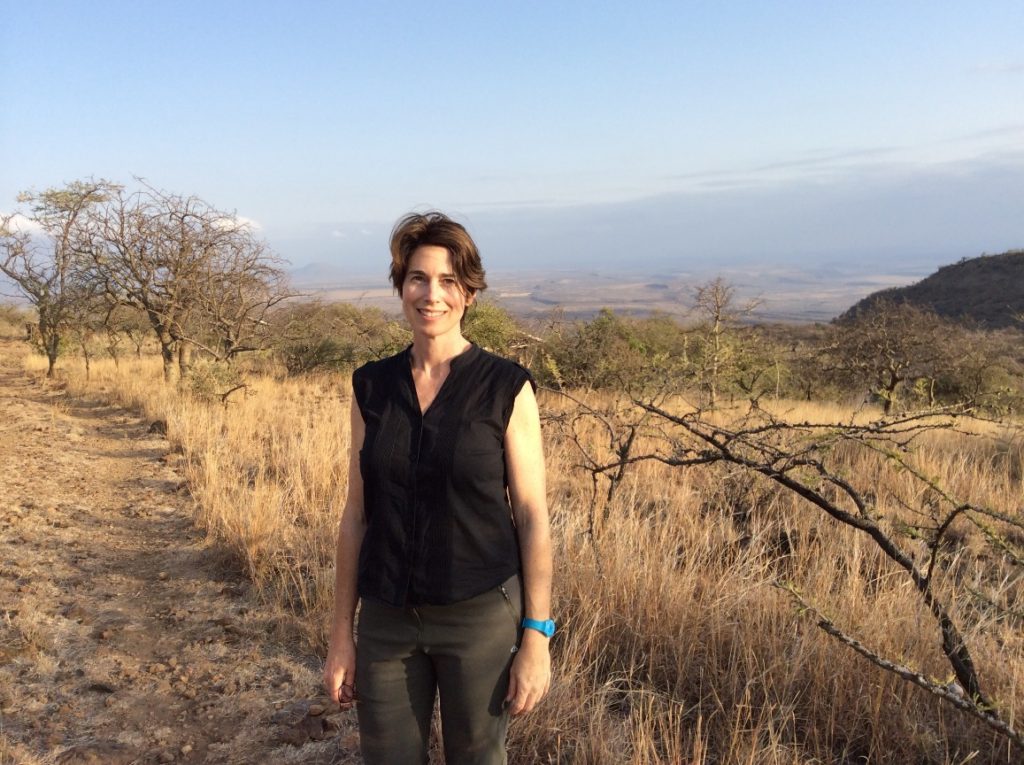
Following her completion of an English Literature degree, regular Books2Africa donor Tessa Boase (pictured above) has developed an acclaimed literary career, exposing previously unheard social histories. Having a direct lineage to African countries – her father and grandfather lived and worked there for much of their lives – her work largely concerns the problems posed by Western colonialism. Her most recent pursuit, Mrs Pankhurst’s Purple Feather: Fashion, Fury and Feminism – Women’s Fight for Change, showcases the establishment of the RSPB in Britain, and its links to women’s and animal rights. Earlier this year, we caught up with her to chat about her generosity towards Books2Africa, and the reasons behind it.
What are your motivations for getting involved with Books2Africa? Do you have any personal connections with Africa?
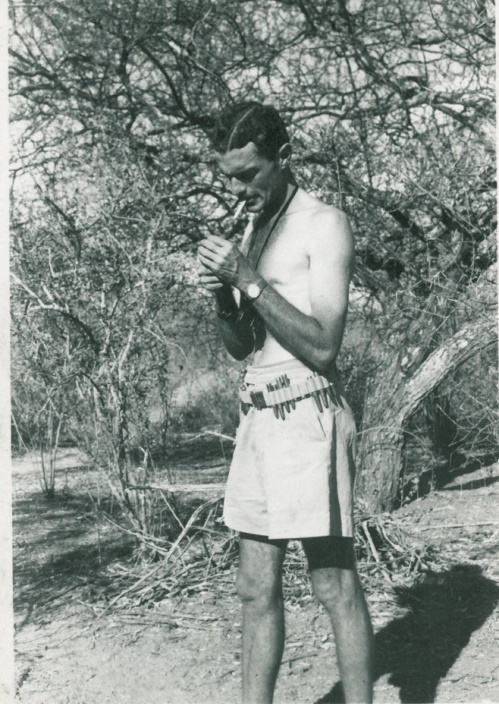
“Yes, my father (below) is from East Africa – Kampala he was born – he lived and worked in Uganda and Kenya for half of his life, and I still have relatives living in East Africa. I probably shouldn’t tell you [what kind of job he did] because it was a long time ago, and people don’t like to hear about white hunters now! He was an engineer – that’s what he also did. My grandfather was an eye doctor of Kampala Hospital and of Nairobi Hospital. I have been [to Africa] with my father a few times. I have an aunt who’s a headmistress of a girls’ school in Uganda, and she’s always trying to do fundraising there.”
Wow, so you must know a lot about the need for education in Africa?
“Absolutely. Yes, I’ve seen it first-hand; I’ve visited schools around the Masai Mara, and seen the conditions of the classrooms, and what kind of textbooks they’re trying to work with, but also the incredible positivity, which is incredibly moving.”
In what ways do you think educating children in the UK about the lack of resources available to African children is valuable?
“I think it is valuable – particularly to show them the value of what they have in the UK. Children are so blasé – they don’t understand how lucky they are; they don’t understand that in some countries, you’re so lucky if you’re able to go to school; if your parents can afford a pencil for you, or a uniform; how willing children are to learn in some parts of the world – how diligent and obedient they are. I think showing the differences, particularly at primary school level, really opens their eyes.”
Do you believe that education can help more children to rise out of poverty in Africa?
“That is a huge question, isn’t it? Because on the one hand, education makes children perhaps dissatisfied with the village life, and dissatisfied with their homelife, and that can cause difficulties if there are no job opportunities for them. But on the other hand, you can’t deny them education, and I think particularly in terms of conservation, education is really key – understanding the value of what they have in their country and seeing how the future can be safeguarded.”
It’s a bit of a paradox isn’t it, because on the one hand you want them to value where they are, and on the other hand you want them to aspire to be something more.
“I think it is a difficult paradox. Cities in Africa are full of people who have gone there hoping for opportunity and have not found it. Really harrowing sights, you see. The world is changing so fast, but to give African people a say in their country is just incredibly important. And if democracy is going to prevail – another reason why it’s really important – we don’t want another Mugabe.”
Books2Africa are proud to keep thousands of books from going to landfill each year. Does conserving the environment serve a role in your support of the charity?
“Yes, I’d feel so terribly sorry if these books, which are such wonderful things, ended up in landfill as if they were rubbish. Good books are to be treasured. I can’t bear to see books being treated like rubbish, so I wanted to find a more meaningful life for them.”
So in your opinion, what is the most important part of the charity and its work?
“It’s not just dumping a box of charitable leftovers – you’re providing a specific, thoughtful service, which is great. Also, we have so many books here, and I don’t like just taking them to a charity shop, where they’re just sitting in a box – we’ve got a surplus of books, and it’s really nice for them to go where they really will be appreciated, and pored over, and will inform young minds.”