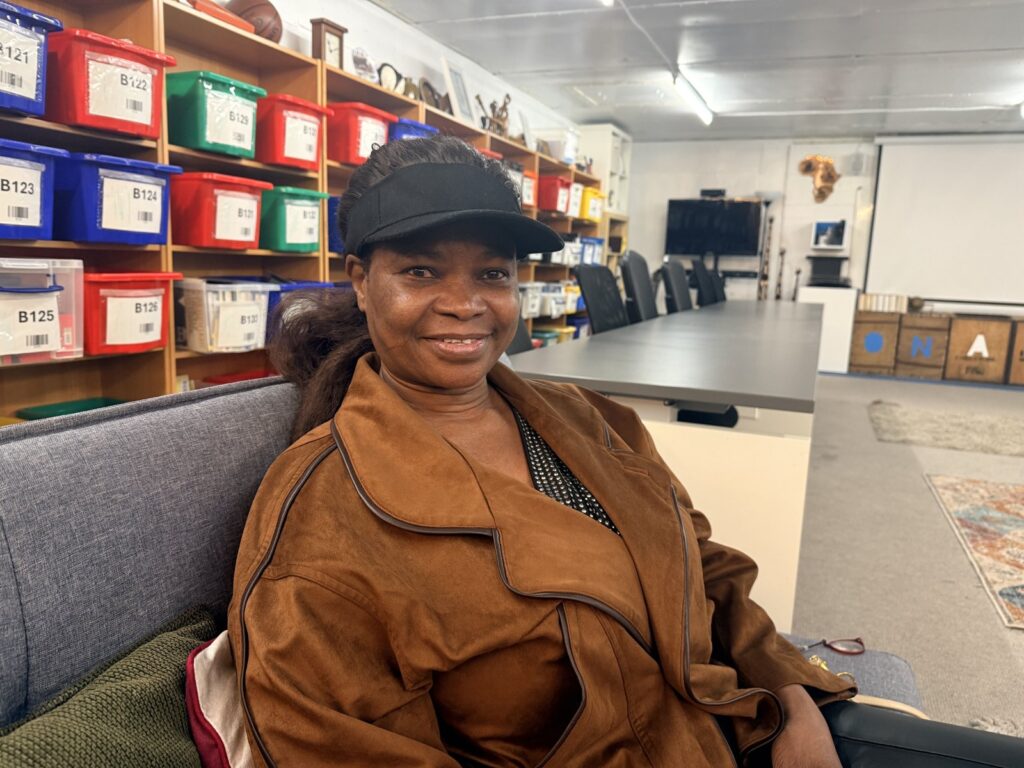
The former chairman of the Delta State Tourism Board wants the world to see the Nigeria she fell in love with, and she is planning to read aloud for a Guinness World Record to make it happen.
In 1998, a newly graduated English student stood in Kano with a problem. Fidelia Salami had to return to the University of Maiduguri to collect her original results, but she could not afford a direct flight. So she took the long way: an overnight flight from Lagos to Kano, then a daytime hop on to Maiduguri.
She looked out of the window and could not believe what she saw. “The landscape, undulating. You need to see the scenery,” she recalls. “I’m like, is this Nigeria?”
That question has shaped her life ever since. Today Dr Fidelia Salami is one of the loudest voices for tourism in Nigeria: an author of four books on the subject, a former chairman of the Delta State Tourism Board, and a woman on a mission to make Nigerians and the world look again at a country she calls “radically beautiful”.
She shared her story with Dr Tonson Sango, Director of Operations at Books2Africa, during a recent visit.
The trip home that changed everything
Four years in Maiduguri had been all about books. “You have to make a 2:1,” she says of those student days. She had her eye on a job at Shell in Lagos, and nothing else mattered.
Then an uncle in the United States sent money for her ticket home. Instead of flying, she pocketed it and travelled by road. “And I’m like, wow,” she says. “That was how the interest came. I just started travelling.”
It was not only the scenery. “The people, the community, the lifestyle,” she says. “I never mingled with these people.” During her youth service in Anambra State she joined a dance drama troupe that represented the state in Abuja: another road trip, another revelation.
She began to keep notes on every place she visited, along with photographs. At first she did not know why. Then she remembered something: while waiting for her school-leaving results years earlier, she had written a book of poetry and given it to her late father. It was never published. “God has a way of reviving certain things in you,” she says.
The travel notes became Tourism in Nigeria: The Incredible Journey to the Heart of Nature. It was edited by the late Dan Agbese, a co-founder of Newswatch magazine, who was so impressed that Newswatch published it. Three more books followed, including titles for senior secondary schools.
Three places every Nigerian should see
Asked to name the must-visit places in Nigeria, Dr Salami did not hesitate, though she pointedly left out her own Delta State.
1. Sukur Kingdom, Adamawa State. She climbed some 3,000 feet to reach this hilltop community, a UNESCO World Heritage Site. “You see human beings, you think they are living in the Stone Age,” she says. Water is scarce and poor, yet she drank it anyway “to let them know that I’m still here with you people”. Women in labour, she learned, must walk all the way down the hill. “They are beautiful people. Everything is natural there.”
2. Abuja. “You can’t beat Abuja,” she says of the capital’s landscape and attractions. “When you’re in Abuja, it’s like you’re outside the country.”
3. Jos, Plateau State. After the scorching heat of Maiduguri, where the water from the tap could come out almost boiling, Jos felt like another world. “That’s another London in Nigeria.”
What ties them together, she says, is that Nigeria’s attractions are natural, not man-made. “Outside the country, there are man-made [attractions], like Dubai. So it’s good to showcase what we have.”
The elephant in the room
Dr Sango raised the obvious question. Ask a typical British holidaymaker for their top 20 destinations, and Nigeria will probably not appear. Insecurity is a big part of why.
“It’s sad. It’s so sad,” Dr Salami says. She is quick to add that no country is perfectly safe: she was once caught in a mall shooting in the United States. But in her view, the deeper problem is that government has not grasped what tourism could earn Nigeria. “They didn’t understand the GDP tourism will bring into my country,” she says. “It gives me a heartache.”
She points to two signs. Tourism has lost its stand-alone ministry and been folded into a wider culture and creative economy portfolio. And, she says, tourism has been removed from the senior secondary school curriculum her books were written for. “It’s heartbreaking.”
For now, she says, the private sector is doing the heavy lifting, “come rain, come shine”.
One practical fix
Her answer to what would make a difference right now is simple: keep showing people what Nigeria has. “Despite the fact that we have challenges, let’s keep showcasing,” she says. “As we keep showcasing, then maybe one day government will say, let’s see how we can boost it.” Better roads and easier access would follow, along with a proper official tourism website, something she says Nigeria still lacks.
Reading aloud for a world record
That is where her next project comes in. Four books on, Dr Salami has noticed a hard truth: launches draw applause, then the conversation stops. “How many people read in Nigeria?” she asks.
So she is trying something louder. She is planning a Guinness World Record attempt for the longest read-aloud on tourism. “I want the global world to know that Nigeria is beautiful,” she says. “I want to showcase it.”
Thousands of books, and one surprise
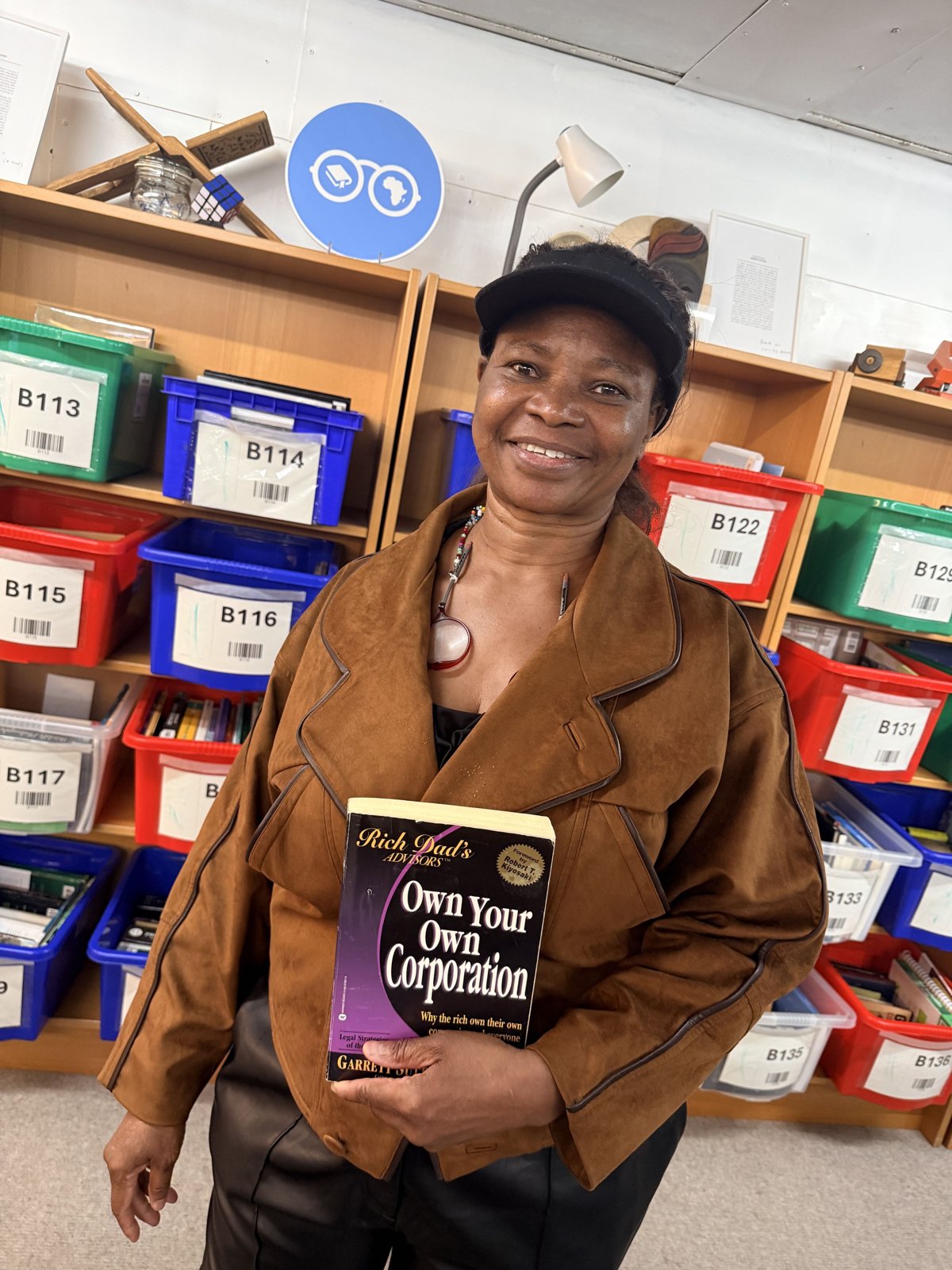
Books2Africa has already played a small part in that story. A shipment of books to Asaba brought thousands of titles, so many that Dr Salami gave up counting after 2,000. Most were science books, which she called exciting, and some were on tourism.
Tucked among them was something she had never owned: a Guinness World Records book. “I saw all the records that have been broken inside, and that also motivated me,” she says. “It was an old one, but I don’t mind. It was quite encouraging.”
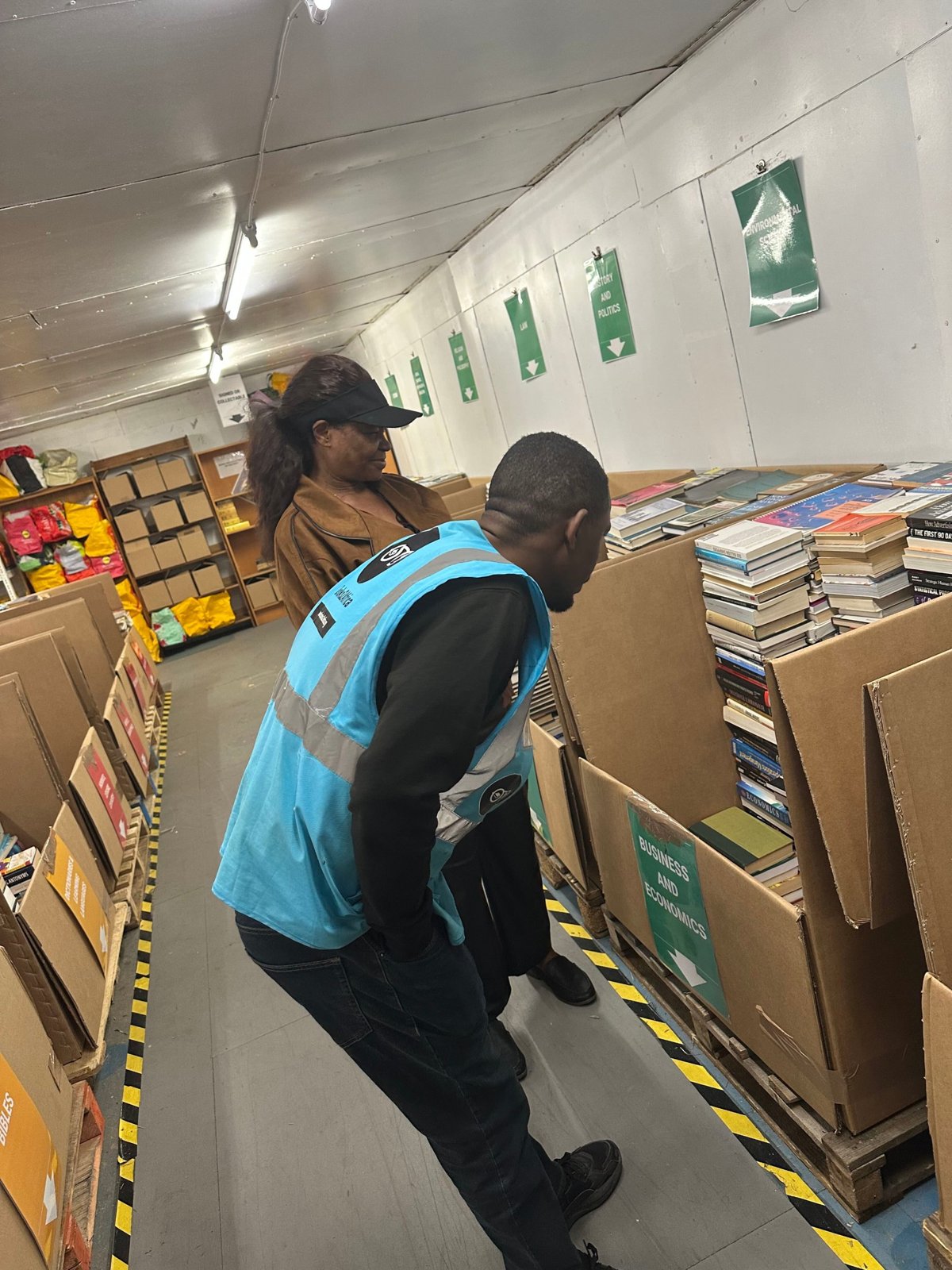
It is a reminder of why books matter. One donated book on a shelf in Asaba became fuel for a record attempt that aims to change how the world sees Nigeria.
Be part of the next chapter
Books2Africa sends donated books to schools, libraries and communities across Africa, including Nigeria. You can help the next shipment reach readers like Dr Salami and the students she writes for.
- Donate or sponsor books for Nigerian schools at books2africa.org.
- Partner with us if your school, library or organisation in Nigeria would like to receive books.
- Follow Dr Salami’s read-aloud record attempt and share this story to help put Nigeria’s beauty on the map.
Read next: from Books2Africa Press
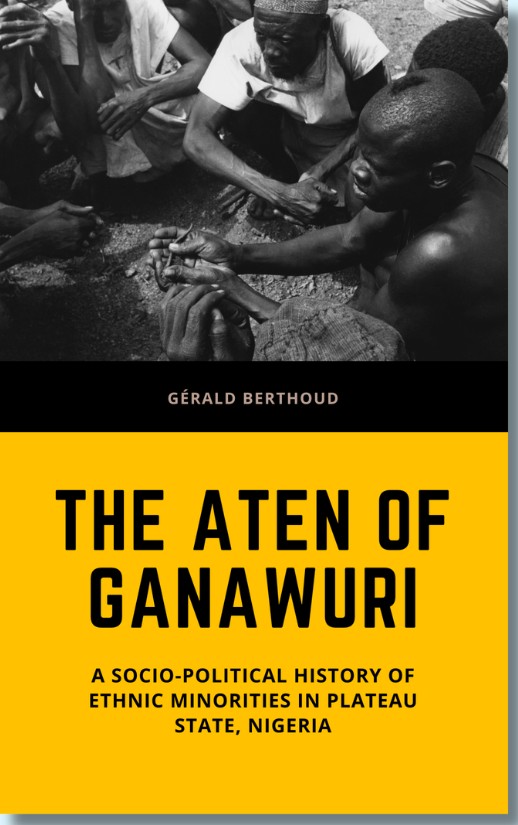
The Aten of Ganawuri
Inspired to visit Jos? Go deeper with The Aten of Ganawuri: A socio-political history of ethnic minorities in Plateau State, Nigeria by Gérald Berthoud, published by Books2Africa Press. Every copy sold helps fund our work.